Choosing the right technology stack is one of the most important decisions when developing a web application. The selected technologies can affect development speed, application performance, scalability, security, maintenance, and overall project cost.
A technology stack generally consists of the frontend, backend, database, APIs, development tools, and infrastructure used to build and operate a web application.
What Is A Technology Stack?
A technology stack is a combination of programming languages, frameworks, libraries, databases, servers, and other technologies used to develop an application.
For example, a web application may use React or Angular for the frontend, Node.js, PHP, Laravel, or .NET for the backend, and MySQL, PostgreSQL, or MongoDB for data storage.
The right combination depends on the application's business requirements and technical goals.
Frontend Technology
The frontend is the part of the application that users interact with.
Popular frontend technologies include HTML, CSS, JavaScript, React, Angular, and Vue.js.
When selecting a frontend technology, businesses should consider the required user experience, application complexity, performance, development skills, component reusability, and long-term maintenance.
Backend Technology
The backend handles business logic, authentication, APIs, database communication, and application processing.
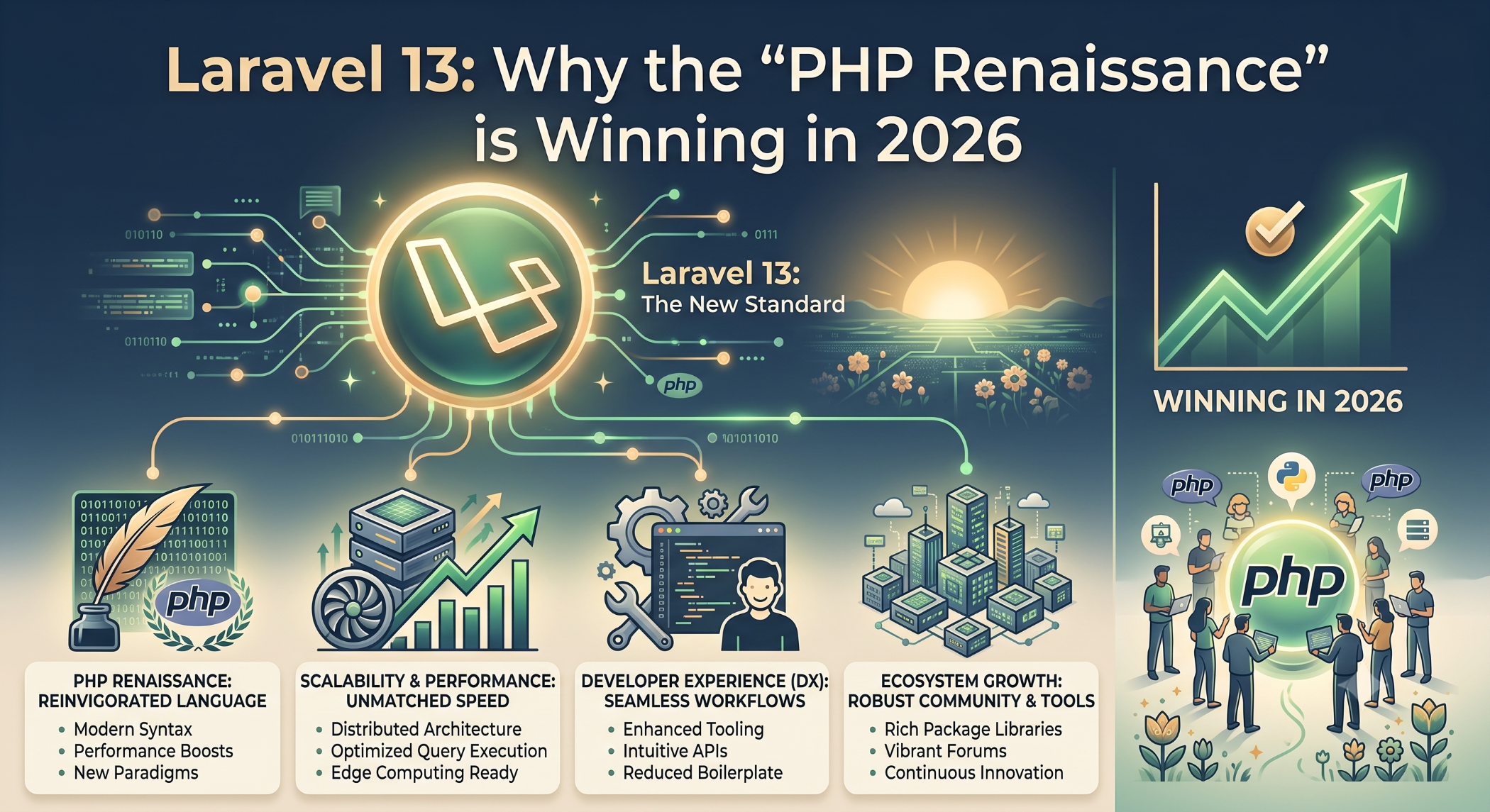
Common backend technologies include Node.js, PHP, Laravel, Python, Java, .NET, and other server-side frameworks.
The choice should depend on application requirements, expected traffic, integrations, security requirements, development expertise, and scalability.
Database Selection
The database is another important part of the technology stack.
MySQL and PostgreSQL are commonly used relational databases, while MongoDB and other NoSQL databases can be suitable for applications with different data structures and scalability requirements.
Database selection should consider data relationships, transaction requirements, query patterns, expected data volume, consistency, and application architecture.
APIs And Integrations
Modern web applications frequently communicate with external services through APIs.
An application may require integrations with payment gateways, CRM systems, ERP platforms, cloud services, shipping providers, analytics platforms, authentication services, or third-party APIs.
The selected technology stack should support reliable API development and integration.
Scalability
A technology stack should be capable of supporting future business growth.
Businesses should consider expected users, traffic, data volume, geographic expansion, integrations, and future functionality when selecting technologies.
Scalability does not always mean choosing the most complex architecture. The goal is to select technologies that can grow with the application's actual requirements.
Security
Security should be considered from the beginning of development.
The technology stack should support secure authentication, authorization, data validation, encryption, secure API communication, dependency management, logging, and regular security updates.
Developers should also consider the security practices and maintenance requirements of the selected frameworks and libraries.
Performance
Application performance can directly influence user experience.
Technology selection should consider application response times, database performance, API efficiency, caching, server configuration, frontend optimization, and expected traffic.
Performance should be evaluated through testing and monitoring rather than assuming that one programming language or framework will automatically provide better results.
Development Team Expertise
The development team's experience is an important factor when selecting a technology stack.
A technology may be technically suitable but difficult to maintain if the development team does not have sufficient experience with it.
Using technologies that the team understands well can reduce development time, simplify maintenance, and make troubleshooting easier.
Development Cost
Technology selection can also influence development costs.
Costs may include developer resources, hosting, cloud services, third-party tools, licenses, maintenance, upgrades, and ongoing support.
Open-source technologies can reduce licensing expenses, but businesses should still consider development and maintenance costs when evaluating the complete solution.
Popular Technology Stack Combinations
Different combinations can be suitable for different applications.
A MERN stack can use MongoDB, Express.js, React, and Node.js for JavaScript-based application development.
A MEAN stack uses MongoDB, Express.js, Angular, and Node.js.
A LAMP stack typically combines Linux, Apache, MySQL, and PHP and remains useful for many PHP-based applications.
Other applications may use combinations such as Laravel with MySQL, .NET with SQL Server, Java with PostgreSQL, or Python with PostgreSQL.
The best stack is determined by the project rather than by the popularity of a particular stack.
Technology Stack For Startups
Startups often need to launch products quickly while keeping development and infrastructure costs under control.
A practical technology stack can help startups build an MVP, validate the business idea, and add functionality as the product gains users.
It is generally better to select proven technologies that support rapid development and future expansion rather than over-engineering the initial product.
Technology Stack For Enterprise Applications
Enterprise applications often have more complex requirements involving security, scalability, integrations, reporting, multiple user roles, and long-term maintenance.
Enterprise technology selection should therefore consider architecture, integration requirements, development standards, security, monitoring, deployment processes, and future support.
How To Choose The Right Technology Stack
Before selecting technologies, businesses should clearly define:
Project requirements, target users, application complexity, expected traffic, security needs, integrations, development timeline, available expertise, budget, scalability requirements, and long-term maintenance plans.
The technology stack should then be evaluated against these requirements.
How Solace Infotech Can Help
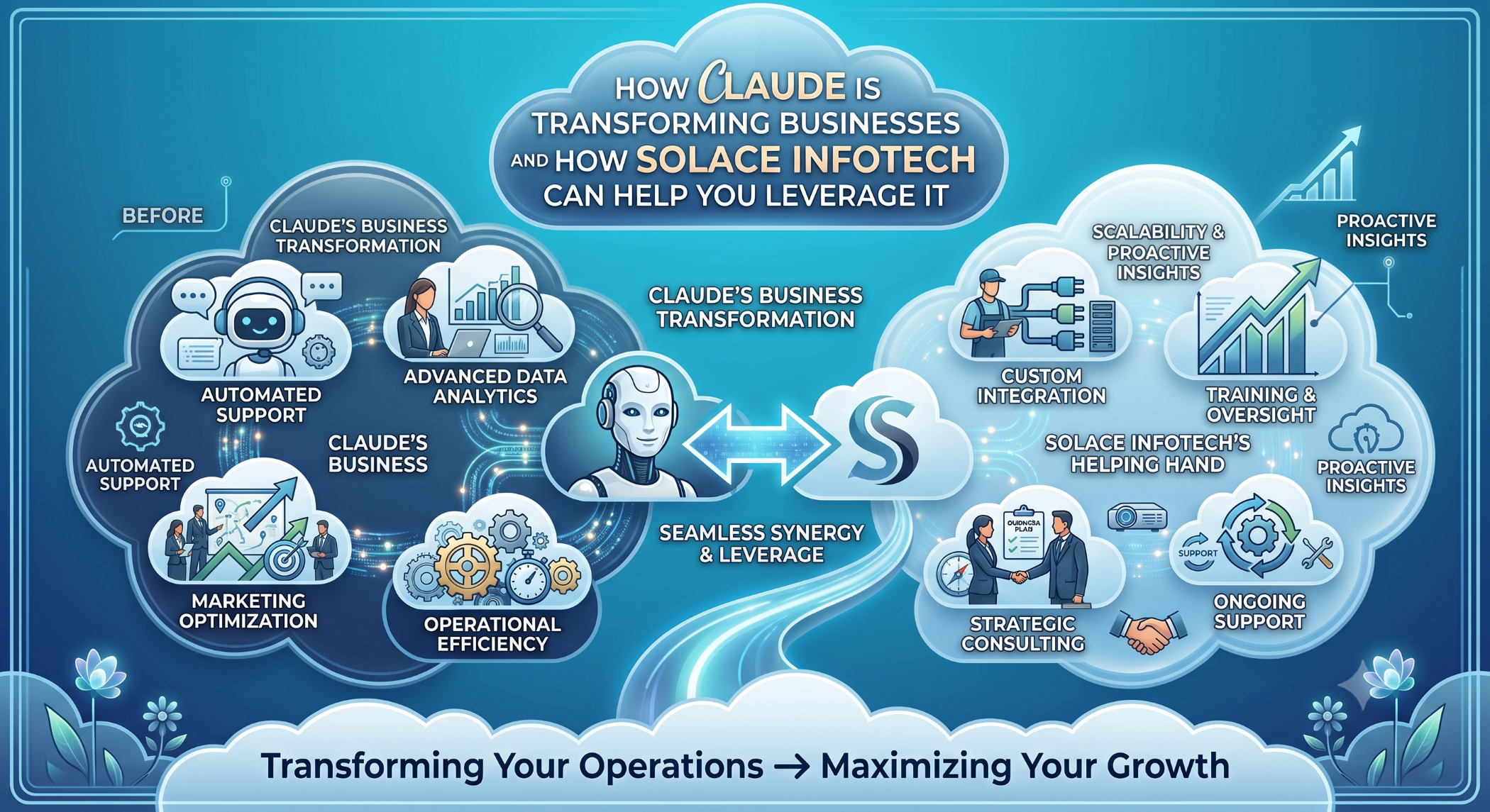
Solace Infotech provides custom web application development services using technologies such as MERN, MEAN, PHP, Laravel, Node.js, React, Angular, MySQL, MongoDB, and cloud platforms.
Our development team can help businesses evaluate technology options and select an architecture and technology stack based on application requirements, scalability, security, performance, budget, and long-term objectives.
Conclusion
Choosing a technology stack is not simply about selecting the newest or most popular technology. The right choice should support the application's functionality, performance, security, scalability, development requirements, and future growth.
A carefully selected technology stack can make development more efficient and help businesses maintain and expand their applications over the long term.