Introduction
A strong online presence has become an essential part of modern business. Whether a company needs a corporate website, e-commerce platform, customer portal, or complex web application, the quality of its digital solution can directly influence customer experience and business operations.
This is where a web development company can play an important role.
A professional web development company combines design, development, technology, security, testing, and ongoing support to create digital solutions aligned with business requirements.
What Is a Web Development Company?
A web development company is a technology service provider that specializes in designing, developing, testing, deploying, and maintaining websites and web applications.
Depending on its capabilities, a web development company may provide services such as frontend development, backend development, e-commerce development, CMS development, API integration, cloud deployment, maintenance, and application modernization.
The objective should not simply be to create a website. A good development partner should understand the business problem behind the project and build a solution that supports the organization's goals.
Website Development vs Web Application Development
The terms website and web application are often used interchangeably, but they can represent different types of solutions.
A traditional business website may primarily provide information about a company, its products, services, and contact details.
A web application is generally more interactive and may include authentication, dashboards, workflows, payments, reporting, integrations, or role-based access.
For example, an online banking portal, employee management system, logistics dashboard, or customer self-service platform can require significantly more complex architecture than a standard marketing website.
A capable web development company should be able to understand these differences and recommend an appropriate architecture.
Services Offered by a Web Development Company
A professional web development company can support the project throughout its lifecycle.
Custom web development involves building applications around specific business processes and requirements rather than relying entirely on pre-built solutions.
Frontend development focuses on the user-facing part of the application, including responsive layouts, navigation, forms, interactions, and usability.
Backend development handles business logic, databases, authentication, APIs, integrations, and server-side processing.
E-commerce development enables businesses to sell products or services online through custom platforms or established e-commerce technologies.
CMS development allows organizations to manage website content without depending entirely on developers for every update.
API integration connects applications with payment gateways, third-party services, CRM systems, ERP platforms, shipping systems, and other external tools.
Maintenance and support help keep applications secure, updated, reliable, and compatible as business requirements change.
Why Businesses Work With Web Development Companies
Building a complex web solution requires multiple capabilities.
A business may need UI/UX design, frontend and backend development, database expertise, QA, DevOps, project management, security, and ongoing support.
Working with an experienced development company can provide access to a broader team rather than requiring the business to build every capability internally.
This can also help organizations scale development capacity according to project requirements.
Custom Development for Business Requirements
Off-the-shelf software is useful for many scenarios, but it may not always fit specialized workflows.
A custom web application can be designed around the company's exact requirements.
For example, a logistics business may require shipment management, dispatch workflows, driver tracking, delivery status updates, document processing, and customer notifications.
Rather than adapting a generic system to an organization's processes, custom development can create workflows around how the business actually operates.
Importance of UI and UX
A technically advanced application can still fail if users struggle to understand or navigate it.
User experience should therefore be considered from the beginning.
A professional web development company should understand user journeys, information architecture, responsive design, accessibility, forms, navigation, and interaction patterns.
A better user experience can reduce confusion, improve adoption, and make important business workflows more efficient.
Choosing the Right Technology Stack
Technology selection should be based on the project's requirements.
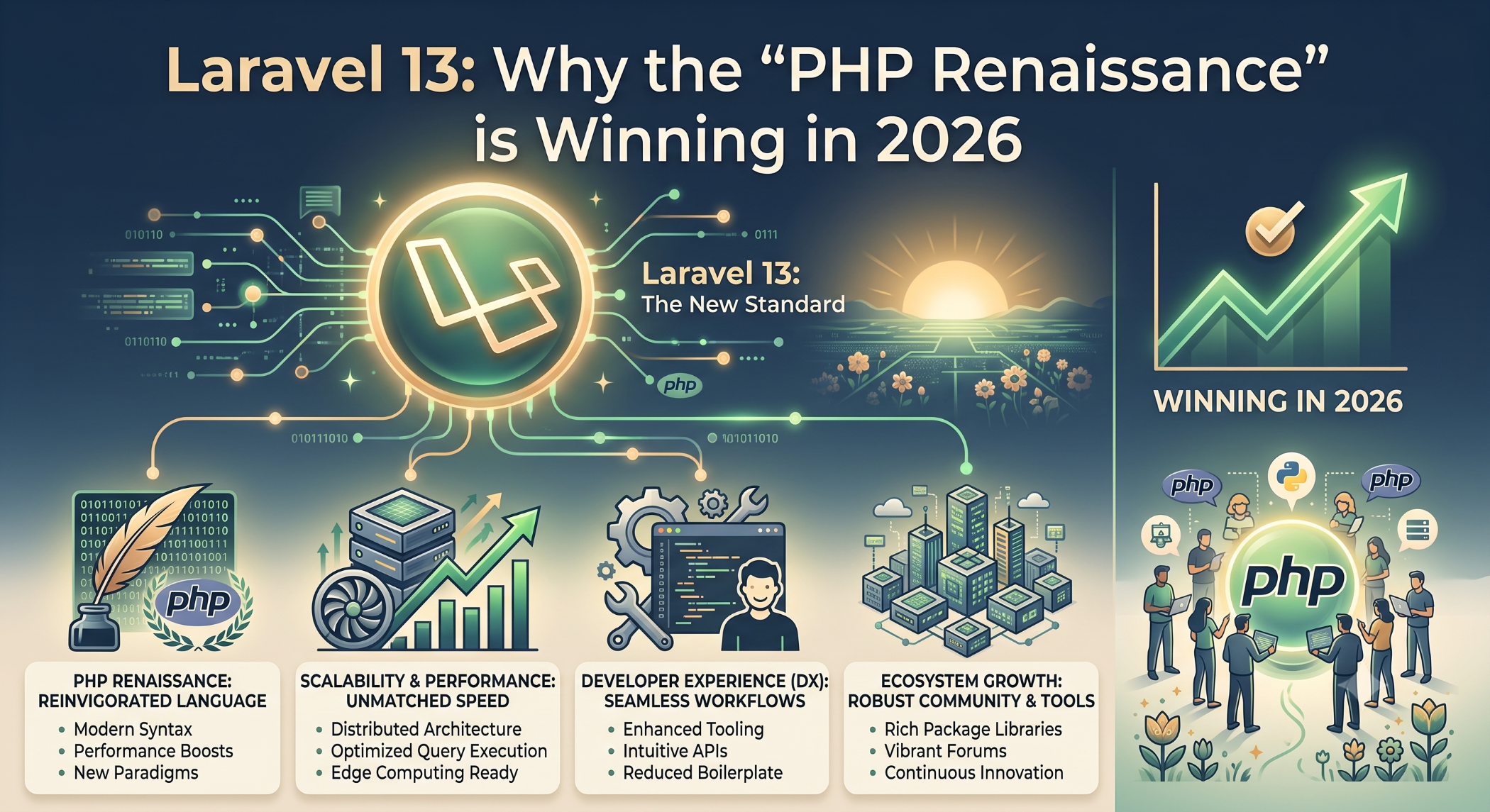
Depending on the application, a development team may use technologies such as PHP, Laravel, Node.js, React, Angular, Vue, .NET, Python, MySQL, PostgreSQL, and cloud platforms.
The right technology depends on factors such as:
Project complexity: A simple content website may require a very different stack from a high-volume enterprise application.
Scalability: Applications expected to grow significantly should be designed with future demand in mind.
Performance: Response times, database efficiency, caching, and frontend optimization can become important for high-traffic applications.
Security: Applications handling sensitive information require appropriate authentication, access control, secure coding, and infrastructure protection.
Maintainability: The stack should be practical for future development and maintenance.
A good web development company should explain these technology choices in business terms rather than simply recommending technologies because they are popular.
Security in Web Development
Security should be considered throughout development rather than treated as a final-stage activity.
Web applications can be exposed to threats such as unauthorized access, injection attacks, insecure authentication, data leakage, and vulnerable dependencies.
A secure development process can include access controls, secure authentication, encrypted communication, input validation, proper session management, dependency management, logging, monitoring, and regular security testing.
For businesses handling customer information, financial transactions, or confidential data, security should be a core architectural consideration.
Performance and Scalability
Website speed and application performance influence both user experience and operational efficiency.
Poorly optimized databases, inefficient queries, excessive frontend resources, unnecessary API calls, and inadequate infrastructure can all affect application performance.
A professional development team should consider performance during architecture and development rather than waiting until users report problems.
Scalability is equally important. A system that works for a small user base may need architectural improvements as traffic and transaction volume increase.
Responsive Web Development
Users access websites and applications from desktops, laptops, tablets, and smartphones.
Responsive development ensures that interfaces adapt to different screen sizes and devices.
This is particularly important for customer-facing websites and applications where users expect consistent experiences across devices.
A professional development process should test layouts and interactions across relevant browsers and device types.
E-Commerce Web Development
E-commerce applications require more than product listings.
Businesses may need product catalogs, search, filters, shopping carts, checkout, customer accounts, payment integrations, inventory management, shipping integrations, promotions, order management, and analytics.
Because online transactions directly affect revenue, reliability and security are particularly important.
A web development company should understand both the technology and the business workflows involved in e-commerce.
Integrating Third-Party Services
Modern web applications rarely operate in isolation.
Applications may need integrations with payment gateways, email systems, SMS providers, CRM platforms, accounting software, maps, analytics systems, cloud storage, or external APIs.
Reliable integration requires appropriate error handling, authentication, monitoring, rate-limit management, and fallback strategies.
An experienced development team should evaluate third-party dependencies as part of the overall system architecture.
Agile Development and Communication
Web development projects often evolve as stakeholders see working functionality and provide feedback.
An iterative development approach can help businesses validate features gradually rather than waiting until the end of the project.
Clear communication is equally important.
Clients should understand what is being developed, what has been completed, what remains, what risks exist, and whether requirements have changed.
Regular demonstrations, status updates, documentation, and transparent project management can reduce misunderstandings.
Testing and Quality Assurance
Quality assurance should be integrated throughout development.
Testing can cover functionality, usability, compatibility, performance, security, APIs, databases, and user workflows.
For larger applications, automated testing can also help reduce regression risks when new features are introduced.
A development company should have a clear process for identifying, documenting, fixing, and validating defects before production release.
Maintenance and Support
Launching a web application is not the end of development.
Applications need ongoing maintenance to address security updates, dependency changes, browser compatibility, infrastructure changes, performance issues, and new business requirements.
A long-term maintenance strategy helps keep the system reliable as it evolves.
Businesses should therefore consider post-launch support when selecting a web development company.
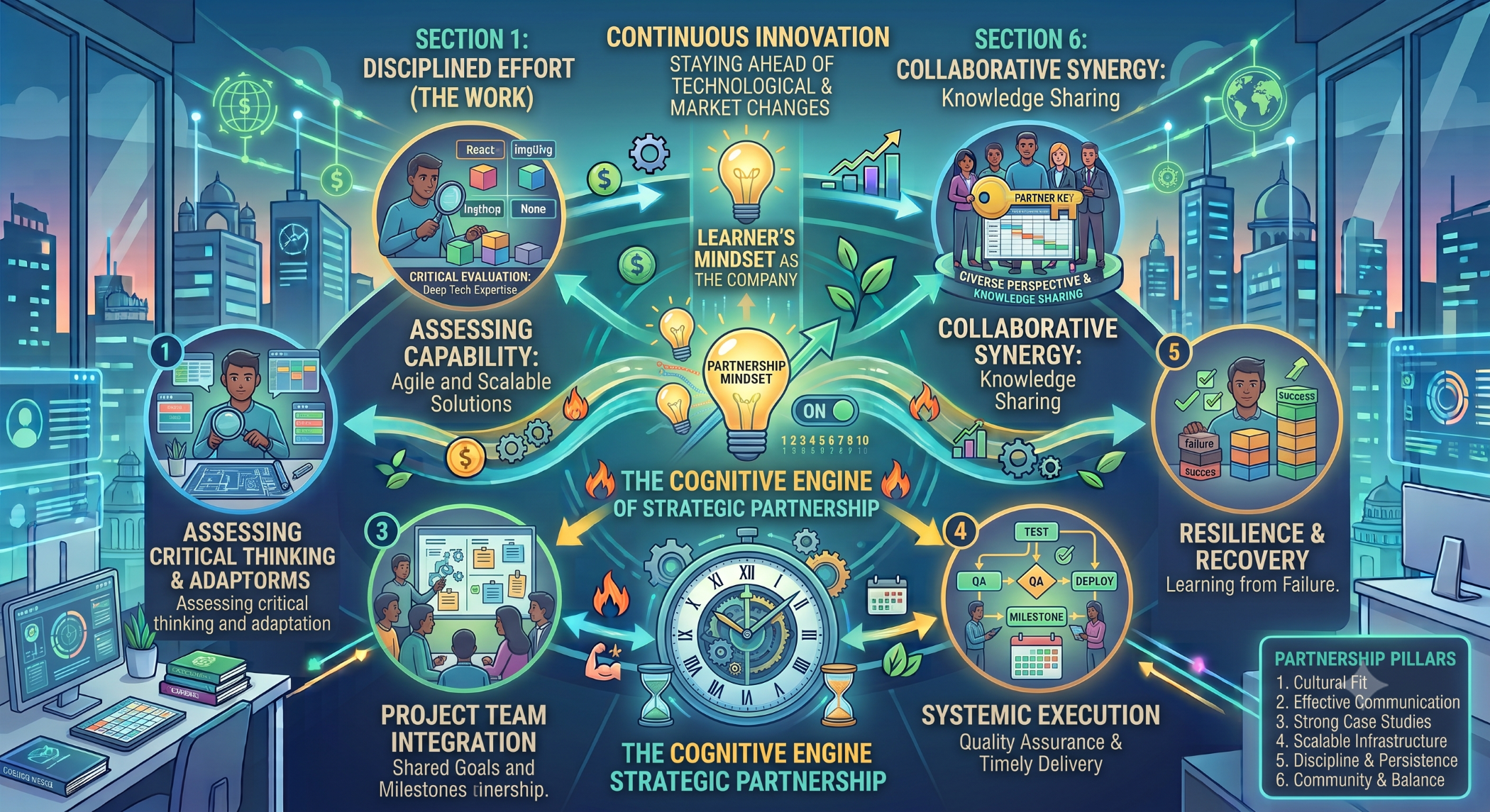
How to Choose a Web Development Company
Choosing the right technology partner requires more than comparing hourly rates.
Look at the company's technical capabilities and experience with projects similar to your requirements.
Review relevant case studies and understand what responsibilities the company actually handled.
Evaluate its communication process, development methodology, quality-assurance practices, security approach, and post-launch support.
It is also important to understand how the company handles requirement changes, project risks, ownership of source code, documentation, and deployment.
A strong development partner should be transparent about assumptions, timelines, dependencies, and potential challenges.
Questions to Ask Before Hiring
Before starting a project, businesses should discuss important areas with the development company.
Ask how the company approaches architecture and technology selection. Understand who will be responsible for development, QA, project management, and deployment.
Clarify how progress will be reported and how changes in scope will be handled.
Discuss security, infrastructure, maintenance, documentation, source-code ownership, and support after launch.
The purpose of these conversations is to make expectations clear before development begins.
Web Development Company for Startups
Startups often have limited budgets and need to validate ideas quickly.
A development partner can help startups build a minimum viable product, test the market, gather user feedback, and gradually expand the product based on actual demand.
The focus should be on building the right initial functionality rather than adding unnecessary features.
A scalable architecture can then provide a foundation for future expansion.
Web Development Company for Enterprises
Enterprise applications often have more complex requirements involving multiple departments, systems, user roles, integrations, security controls, and compliance requirements.
Enterprise development may also involve modernization of legacy systems and integration with existing infrastructure.
A capable web development company should be able to work within these constraints while designing a maintainable and scalable solution.
How Solace Infotech Can Help
Solace Infotech provides web development services focused on building customized digital solutions for businesses.
Its technology capabilities include web application development, e-commerce solutions, PHP and Laravel development, frontend frameworks, API integration, mobile development, and other software engineering services.
A suitable development partner should combine technical expertise with an understanding of the client's business objectives, workflows, customers, and long-term technology roadmap.
Conclusion
Choosing the right web development company can have a significant impact on the success of a digital product.
A strong partner should do more than write code. It should understand business requirements, recommend suitable technology, prioritize security and quality, communicate clearly, and provide support as the application evolves.
Whether you are building a corporate website, e-commerce platform, customer portal, or enterprise web application, the most effective approach is to treat development as a business investment rather than simply a technical project.
The right technology partner can turn an idea or business requirement into a reliable digital solution that supports customers, improves operations, and creates opportunities for long-term growth.